
Necklace RFQs: Define Every Length Endpoint
For a wholesale necklace RFQ, name the exact model and define where each length starts and ends. Separate the necklace path from any pendant drop, and ask whether an extension is included in the stated length. Obtain an annotated supplier reference before comparing numbers from different listings or samples.
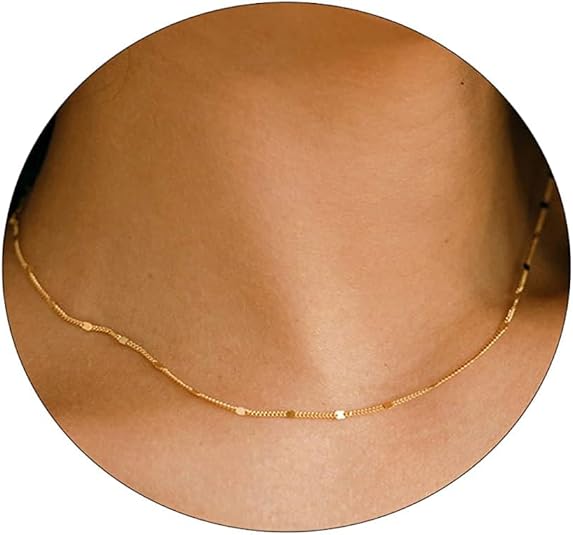
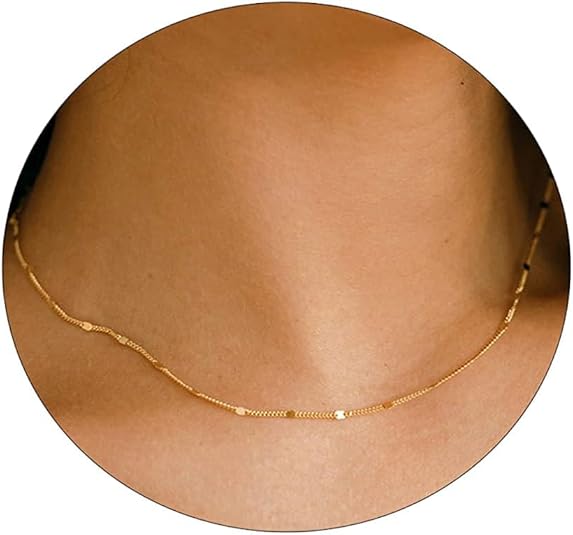
A necklace photograph shows how an item sits in one styled view. It rarely tells a buyer exactly what a quoted length measures. A fine chain across the neck, a lower Y-shaped drop and a pendant chain can require different reference drawings. The useful buying decision is to make those definitions explicit, rather than treating every number labelled necklace length as interchangeable.
Start with the selected necklace reference
Use the exact product-page reference together with a buyer line code. The official necklace catalogue page shows several appearances under a broad product name. Attach the selected photograph and mark the intended item without adding assumptions about metal, stone or closure. A picture of a necklace worn around the neck does not show its complete laid-out path or the hardware behind the wearer.
Ask the supplier to identify the corresponding model before supplying dimensions. If a replacement reference is proposed, give it a separate revision. A length supplied for a similar-looking chain cannot silently become the dimension for the chosen necklace. This first link between model and drawing prevents a precise measurement from being attached to the wrong product.
- Selected model and source photograph
- Named start and end points
- Pendant or lower-drop scope
- Extension treatment and measurement condition
Separate the path from the drop
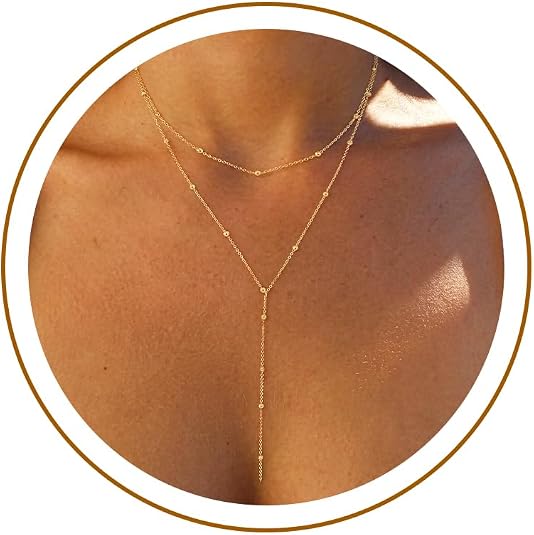
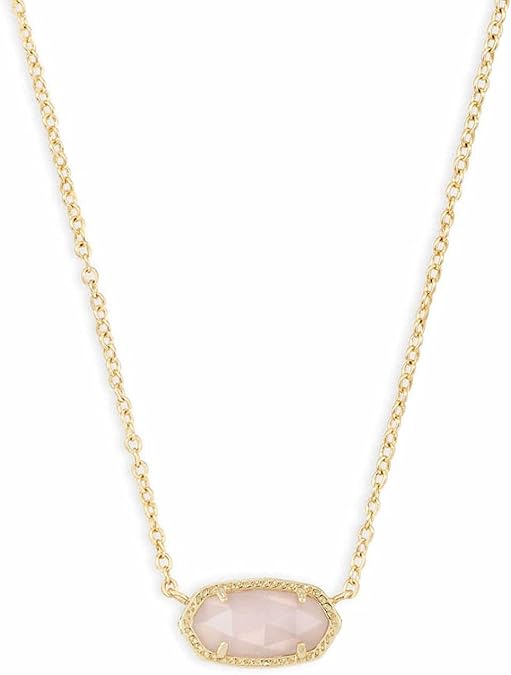
A chain length and a visible hanging drop answer different questions. For a pendant design, ask whether the dimension describes the necklace path alone or also refers to an additional hanging feature. For the Y-shaped styling image, request labels identifying the upper path and lower section. The photograph supports asking these questions; it does not establish the actual construction or a measurement value.
Use an annotated diagram with named endpoints instead of relying on an arrow placed beside an unlabelled image. The supplier should state the measurement condition and how the item is arranged. Keep the agreed drawing with the quotation. Buyers should not compare a curved worn appearance with a straight laid-out dimension as though they were the same definition.
| Record field | Question to settle | Avoid this substitution |
|---|---|---|
| Necklace path | Which endpoints define the stated length? | Worn position as a numerical length |
| Pendant drop | Is this a separate dimension? | Assuming it is inside chain length |
| Extension | Included, additional, or unconfirmed? | Treating an empty field as zero |
| Revision | Which drawing applies to the sample? | A similar model with the old code |
Make extension and closure scope visible
A listing may refer to an extension without stating whether its length is inside or outside the main quoted figure. Ask that question separately for the exact model. Request identification of the closure arrangement and a photograph if it is relevant to the order. None of the front styling references proves a particular clasp, an extension, or detachable components.
Leave unconfirmed fields explicitly pending. Do not turn an empty field into zero extension or assume that an unseen closure matches another necklace. Where the supplier gives alternative measurement conventions, select one for the purchasing record and retain the explanation. This is documentation for a comparable enquiry, not a claim that a particular fit or adjustment range has already been verified.
Carry one definition into the sample record
When a sample arrives, identify it with the same line code and drawing revision used in the enquiry. Record what was measured, under the agreed condition, without changing endpoints midway through the review. If the supplier uses a different convention, resolve that difference before deciding whether the sample matches the request. A different method can create an apparent mismatch even when both parties recorded carefully.
Keep desired values, supplier declarations and sample observations in separate columns. Any tolerance or acceptance rule belongs in the buyer and supplier agreement; this article supplies no universal jewellery tolerance. A revised drawing should show which definition changed. The purchase record then explains the number, rather than preserving a number whose meaning has been lost.
Frequently Asked Questions
Can I estimate length from the model photograph?
Use it for appearance and positioning context. Perspective, styling and the hidden back section prevent it from establishing the purchasing dimension.
Should pendant height be included in necklace length?
Ask the supplier to define both fields. Keep them separate in the enquiry until the intended convention is explicitly agreed.
Do these images prove an adjustable extension?
No. Obtain the exact model declaration and relevant hardware view; front appearance alone does not confirm an extension.
Can I apply one measurement drawing to every design?
Only after each model is mapped to that convention. A different chain or hanging arrangement may require a separate drawing.
Use the Dayihong enquiry page to request a model-linked measurement reference. Keep the selected photograph from the product catalogue and consult the blog as further buyer guidance becomes available.