
Necklace Orders: Separate Layers from Sale Units
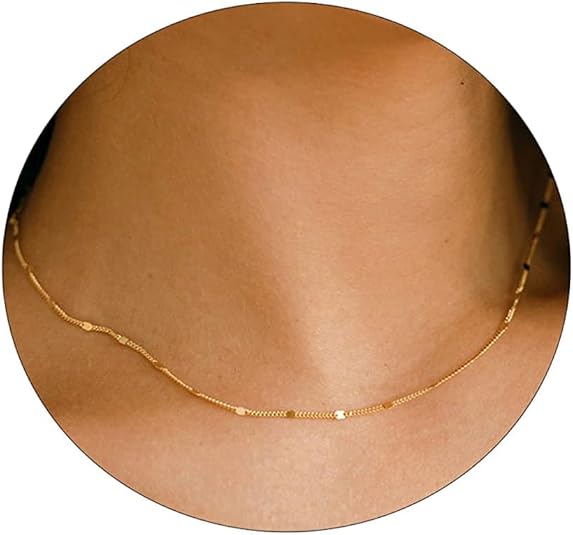
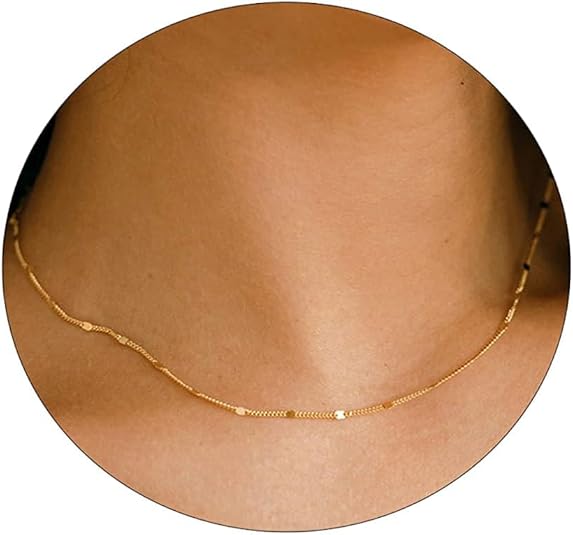
A layered necklace photograph does not define the wholesale sale unit. Identify each visible necklace reference, ask what one quoted unit actually contains, and state whether the buyer wants separate items or a confirmed combination. Reconcile quantities against those definitions before accepting a quotation or a proposed alternative.
Jewellery styling often combines more than one visible element. The commercial order still needs an exact answer to a simpler question: what will the supplier supply for one unit? A buyer can accidentally request separate necklaces while a quotation describes a combination, or assume a styled pairing is included when it is not. A clear supplied-unit schedule resolves that ambiguity before numbers are compared.
Treat the photograph as a reference map
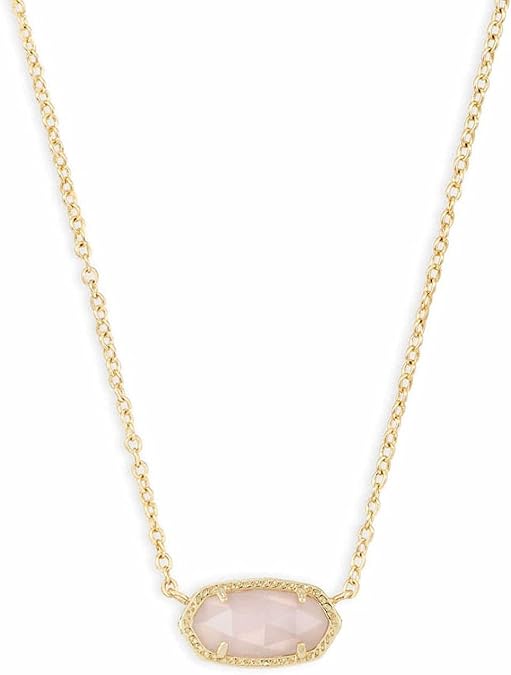
The Dayihong necklace page includes a short chain reference, layered styling with a lower Y-shaped necklace, and a pendant design. These are appearance cues, not a declaration that all items are sold together. Give each selected reference an unambiguous label in the RFQ. Circle or describe the intended necklace so the supplier knows which visible element the line concerns.
Avoid creating an imagined kit from a styling photograph. The supplier should confirm whether a proposed item is one complete necklace, several supplied necklaces, or another defined combination. A visible pendant is also not proof that it can be ordered separately from its chain. Keep commercial item identity separate from what a photograph happens to show.
- One reference label per intended item
- A written supplied-unit definition
- Separate commercial and member quantities
- Explicit pending and alternative statuses
Write the supplied unit before the quantity
A useful RFQ line contains a buyer code, selected reference, supplier model, supplied-unit description and requested quantity. Describe the counted object in words. If the buyer wants a combination, list the required members and ask the supplier to confirm availability and the unit definition. Do not use set as a shortcut for an unknown contents list.
For a separately ordered chain and necklace, use separate lines unless the supplier explicitly confirms the requested combination. This does not assert that any individual part is available. It gives the supplier a way to reply confirmed, alternative proposed or pending. Those answers are more useful than a bare unit price beside an ambiguous image.

| Visual reference | RFQ question | Required reply |
|---|---|---|
| Short chain | What complete item does one unit contain? | Model and supplied-unit description |
| Layered styling | Separate items or confirmed combination? | Member list and counting basis |
| Pendant design | Is the request for the complete necklace? | Scope confirmation without assumed detachment |
| Alternative | Does this change the supplied contents? | Separate code and approval status |
Reconcile the order without mixing counting bases
Compare quantities only after the supplied-unit descriptions are settled. A requested number of combinations and a requested number of individual necklaces are different counting bases. Record any member quantities needed to explain the order, but keep them distinct from the commercial units being purchased. The objective is an internally consistent schedule, not an assumed standard pack quantity.
Check that the supplier reply uses the same codes and units as the enquiry. If the reply changes a combination into individual items, ask for the change to be explicit. Otherwise a total may look plausible while describing a different assortment. Commercial quantities, sample quantities and presentation examples should remain separate records rather than being combined into one unexplained total.
Keep alternatives outside the approved line
A proposed alternative should have its own reference and status. Similar gold-coloured appearance does not establish the same chain construction, pendant material or supplied contents. Ask the supplier to describe the difference relevant to the requested unit. The buyer can then decide whether to request a sample or retain the original enquiry without silently replacing it.
Freeze the accepted schedule revision before progressing the order. Retain the reference images, supplier confirmation and any unresolved fields together. This schedule confirms what the commercial line describes; it does not replace sample inspection, a material declaration or a separate agreement on business terms. Keeping those decisions distinct makes later discussion more precise and reduces accidental substitutions.
Frequently Asked Questions
Does a layered image mean a two-piece set?
No. Styling is not a supplied-contents declaration. Ask for the exact commercial unit and its confirmed members.
Can I order the pendant separately?
Do not assume that. Ask whether the supplier offers it separately and identify any different model or quotation line.
Should I combine all necklace quantities in one total?
Only if the basis remains clear. Retain line quantities and distinguish combinations from individual items so the total is interpretable.
Can a supplier alternative keep the original code?
Use a separate reference or revision and an explicit decision. Similar appearance should not hide a change in supplied contents.
Send the supplied-unit schedule through the supplier contact page. Use catalogue references to identify each requested item and retain the current buyer-guidance index with the enquiry record.