
Necklace Packs: Map Chain and Pendant Positions
For necklace packing, approve a layout for the exact supplied item and map the chain, any hanging section and pendant to that layout. Link the physical packing sample to its product code and label revision. A product styling photograph cannot prove the pack arrangement or that a particular packing method prevents damage.
A necklace can be easy to recognise in a catalogue and harder to identify after it is arranged inside a presentation pack. A chain, a lower drop or a pendant may occupy different positions. The purchasing task is to make the intended arrangement traceable. This requires a proposed packing layout and a physical packing reference, rather than assuming the catalogue photograph is a packing instruction.
Begin with the exact supplied item
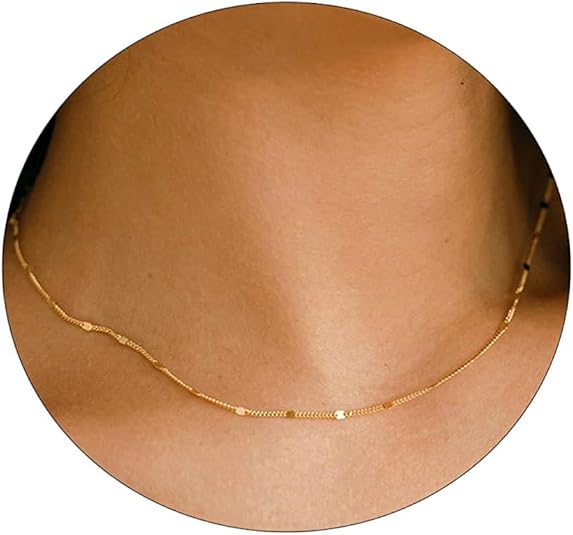
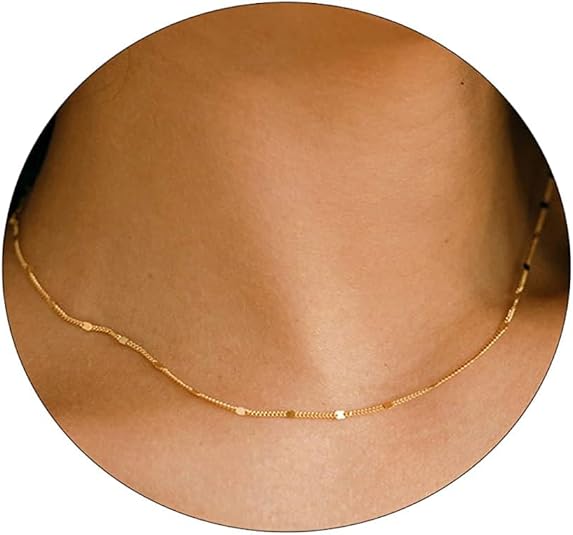
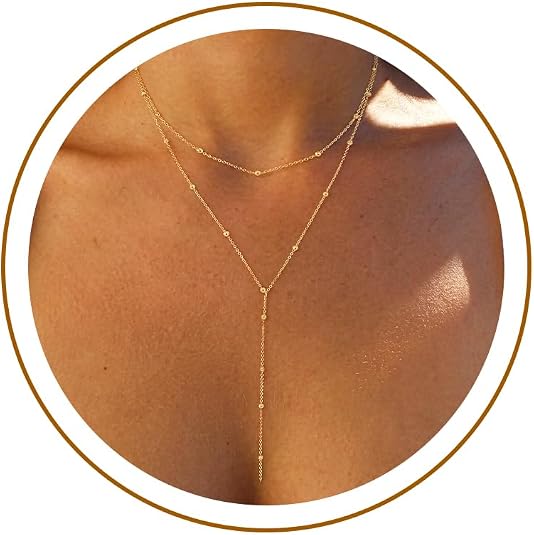
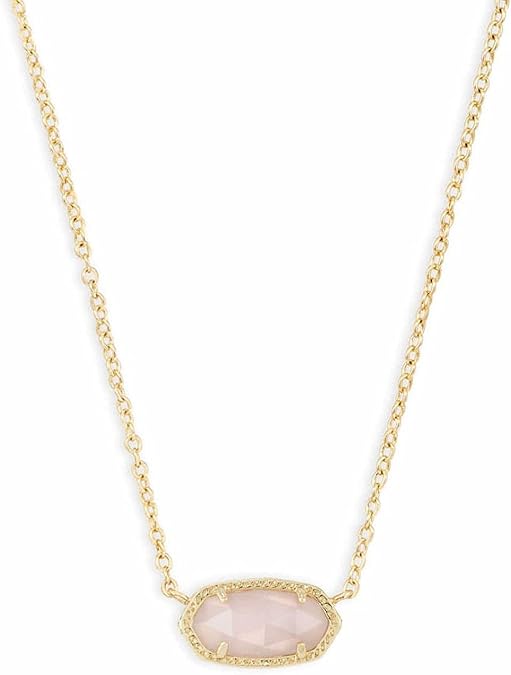
Confirm which complete item the packing request concerns before discussing placement. The official necklace references show different visible arrangements, including a fine chain, layered styling and an oval pendant design. They do not show finished presentation packaging. Do not infer a card, pouch, box, insert or protective feature from these product images.
Attach the selected model reference to the packing brief. If several necklaces are being considered, give each layout its own code. A packing sample for one chain arrangement cannot automatically approve another pendant or drop arrangement. Ask the supplier what packing options can be proposed for the confirmed item, keeping availability and commercial terms as matters for an explicit reply.
- Exact product and supplied contents
- Proposed chain and pendant position map
- Product-code and label revision link
- Physical packing sample decision record
Map positions without claiming protection
The proposed layout should identify the visible chain path, the location of any pendant and the treatment of any lower hanging section. Ask the supplier to show how the complete item is presented and which parts remain visible for identification. These are layout questions. They do not establish that a particular material or method prevents tangling, scratching or other handling damage.
For a layered reference, first settle the actual supplied contents. A presentation showing several visible pieces is not evidence that they share one pack. If separate items are supplied, identify the respective layouts. If a combination is confirmed, request a member map so that the physical packing reference can be reconciled against the agreed contents.
| Record | What to identify | What it does not prove |
|---|---|---|
| Layout | Chain path and hanging-feature positions | Protection against damage |
| Contents | Exact complete item or confirmed combination | That styled layers are one sale unit |
| Label map | Product code and artwork revision | Unverified material declarations |
| Packing sample | Observed arrangement and decision | Jewellery or transport test performance |
Connect the layout to the label record
Give the packing reference a model code and revision identifier. Define where the product identifier appears and which written description belongs to it. Keep buyer-entered text, supplier-entered text and artwork pending approval distinguishable. Avoid adding material, gemstone or finish claims merely because the item appears gold-coloured or has a pale-pink pendant element.
A sample photograph should make the association between the item and its identifier readable. If a label would conceal a useful identifying feature, discuss a different position using the actual packing sample. This is a traceability decision, not a statement about any mandatory retail labelling requirement. Market-specific declarations need their own verified information and responsible review.
Review the physical reference as a separate decision
When a packing sample is available, compare it with the layout revision and selected product code. Record the item, arrangement and label association actually observed. A packaging approval should not quietly become an approval of jewellery composition, product dimensions or test performance. Keep those records separate so an accepted layout has a precise and limited meaning.
If the supplier proposes another arrangement, save it as a new revision with the reason and the buyer decision. Any required handling or transport evaluation should be agreed separately for the actual product and pack. This article supplies no universal protective-pack specification. Its purpose is to create a reproducible reference that explains which product belongs in which approved presentation.
Frequently Asked Questions
Are the displayed necklace photos packing samples?
No. They are product appearance references. Request a separate proposal and physical packing sample for the selected item.
Does a position map guarantee no tangling?
No. It documents arrangement. Any protective or handling claim requires its own agreed evidence for the actual product and packaging.
Can one approved pack layout cover all necklaces?
Review each product association. A different pendant or hanging arrangement can require a separate layout and packing reference.
Should I copy material claims onto the label?
Use only confirmed declarations approved for that product and intended market. Appearance and catalogue colour do not establish composition.
Request a product-linked packing proposal through Dayihong contact. Identify the item using the current catalogue and keep the blog reference separate from the physical packing approval record.