
Necklace RFQs: Request the Material Declaration
For a necklace material enquiry, identify the exact offered model and ask the supplier to declare the relevant component materials separately. Keep chain, pendant and closure roles identifiable where present. A gold-coloured photograph, pale-pink pendant or general company description does not establish the composition of every component in the selected necklace.
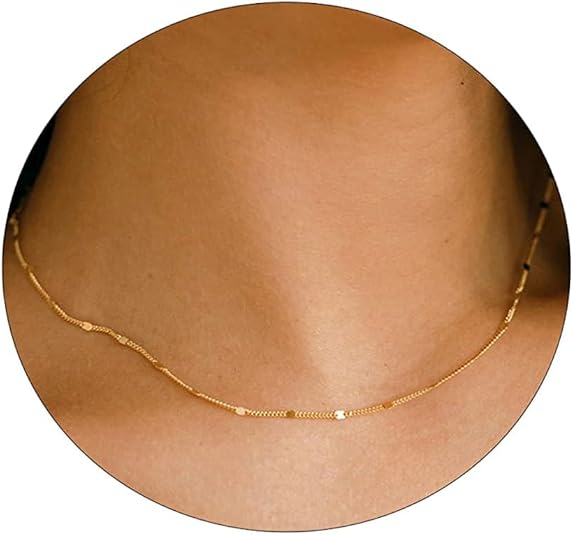
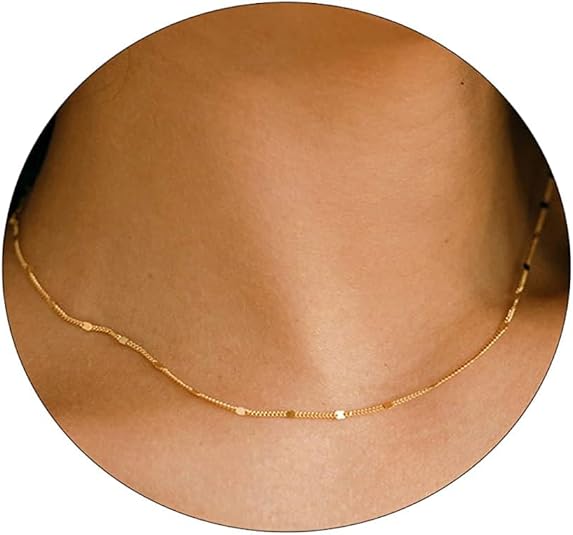
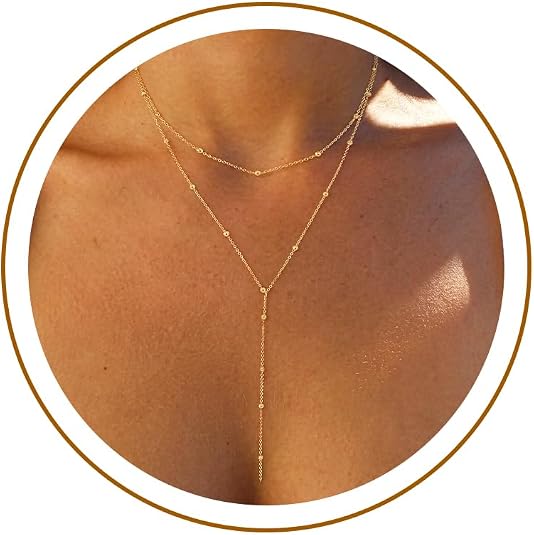
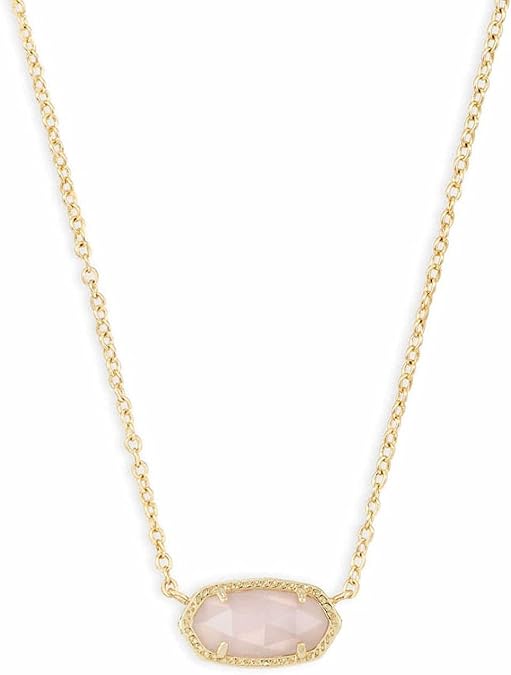
The Dayihong necklace page gives front appearance references for a fine chain, layered styling and a pendant design. These images help identify an enquiry, but they are not a model-specific material declaration. A wholesale buyer needs a supplier statement linked to the offered item, with clear answers and visible gaps rather than material names inferred from colour.
Tie the enquiry to one offered model
Attach the selected image and give it a buyer line code. Ask the supplier which model it represents before requesting composition information. A broad page name such as necklace is not enough to identify every pictured version. The supplier reply should point to the same selected reference so the declaration can be read alongside the actual offer.
A general company description can introduce the supplier, but it does not specify every material in a particular item. Do not copy a manufacturing headline into the component fields automatically. Keep the selected model, supplier reply and any revision together. An unanswered model question should remain pending rather than being filled with a familiar material from another listing.
- Exact offered model and selected reference
- Relevant component role for each statement
- Supplier wording and scope of the declaration
- Pending information and document revision
Name the component role beside the declaration
Use separate fields for the chain, the pendant or decorative element where present, and the closure or other relevant finding. These fields identify the information being requested; they do not assert a particular hidden construction. The fine chain reference and oval pendant reference may require different entries, and the layered styling photograph does not explain how every visible item is made.
Ask the supplier to distinguish a base material declaration from a surface or finish description when both matter. Gold-coloured is an appearance description, not an alloy or purity statement. Likewise, a pale-pink faceted-looking element is not proof of a particular gemstone. Record the supplier wording accurately without turning an unknown field into a named material.
| Field | Request from supplier | Do not substitute |
|---|---|---|
| Chain | Model-linked material declaration | Gold-coloured appearance |
| Decorative element | Declared composition where relevant | A guessed gemstone name |
| Closure or finding | Applicable component information | An unseen hardware assumption |
| Record identity | Model, date and revision | A general company headline |
Keep evidence types and open questions visible
A supplier declaration states what that supplier declares for the identified item. It should not be renamed a laboratory result, certificate or guarantee of every finished-product property. If a purchasing requirement needs supporting information, raise that requirement separately and ask what appropriate evidence is available. This article supplies no universal jewellery composition or compliance specification.
Where a reply describes only the chain, keep the pendant and hardware fields unresolved if they remain relevant. Where the supplier offers another version, request an updated model link and declaration rather than extending the original statement by assumption. This prevents a complete-looking sheet from hiding the fact that its information covers only part of the selected necklace.
Retain the statement with the purchasing version
Give the received statement a date or revision reference and keep it with the supplier model and quotation. Separate buyer requirements, supplier declarations and the buyer review outcome. A photograph can stay beside the record for identification, but it cannot fill a documentary gap. If clarification is needed, make the outstanding component and question explicit.
Before using a material description in a listing or another purchasing document, confirm that it belongs to the selected version and intended statement. A change of chain, decorative element or finding can affect the applicable declaration. Do not infer unchanged composition merely because the appearance looks familiar. The useful result is a traceable statement, not an invented technical certainty.
Frequently Asked Questions
Does gold-coloured mean the necklace contains gold?
The appearance alone establishes no metal identity or purity. Request the exact supplier declaration rather than interpreting the photograph as composition evidence.
Can a chain statement cover the pendant automatically?
No such coverage should be inferred. Ask which component roles the statement actually addresses.
Is a material declaration a test certificate?
No. Keep the evidence type and its stated scope clear; request additional appropriate support separately when a requirement needs it.
What should an unanswered component field say?
Keep it pending or unconfirmed. A visible gap is more accurate than a material guessed from another product or the company introduction.
Send the component-role enquiry through the contact page. Identify the offer using the catalogue and keep the blog as buying guidance. The supplied-unit guide addresses what is bought; the material statement addresses what is declared for that item.