
Necklace Samples: Record Colour Under One Setup
Approve necklace colour with an identified physical sample under a recorded viewing setup, keeping the chain and any decorative element separately described. Use catalogue photos to choose the reference, not as a promise of an identical shade on every screen. Retain the sample decision and note what appearance was actually reviewed.
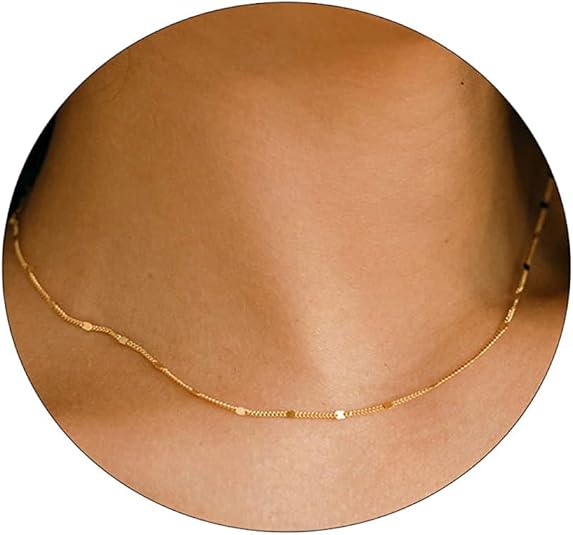
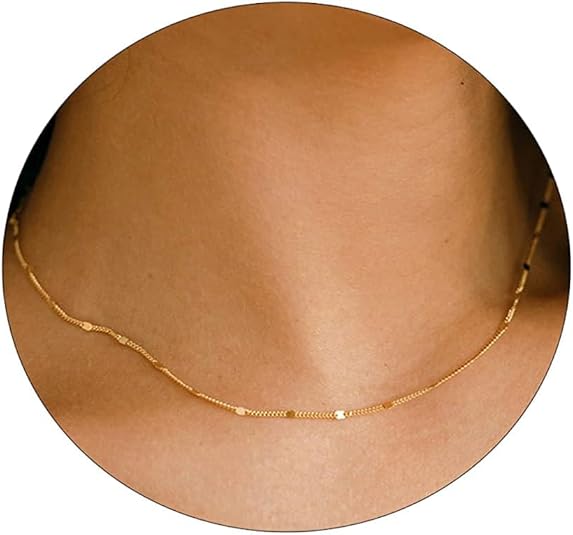
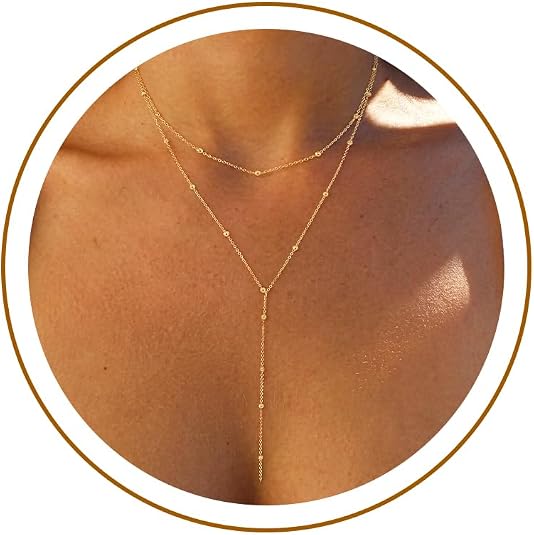
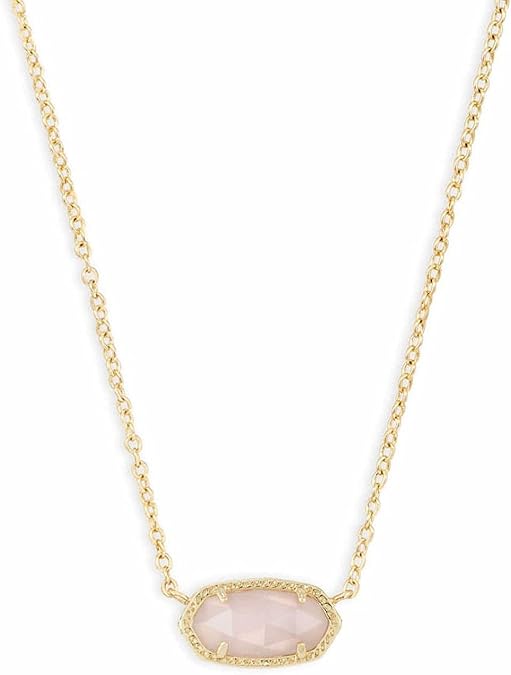
The official gallery shows necklaces against skin as well as an oval pendant necklace on a light background. Those views are useful product references, but they do not provide a controlled comparison between every photographed colour. Buyers preparing a sample decision need to identify the product and observation conditions before recording an appearance outcome.
Select the version being reviewed
Begin with the exact supplier model and selected image from the necklace page. Ask the supplier to confirm the version for which a sample is provided. The fine chain, the lower Y-shaped necklace and the pendant necklace are distinct visual references. An appearance decision should not float between them under a broad label such as gold necklace.
Link the physical sample to its own reference before comparing it with a request. If the buyer is reviewing more than one version, keep the decisions separate. A combined styling photograph can show several visible elements without establishing that a single sample represents them all. Identify exactly which object and which visible appearance are under discussion.
- Exact model and physical sample identity
- Recorded lighting and background setup
- Separate chain and decorative-element observations
- Decision, revision and retained reference
Record one consistent viewing setup
Use consistent ordinary viewing conditions for the comparison and note the background and lighting arrangement. The aim is a shared record that both parties can understand, not an unsupported promise that every environment will produce the same impression. A photograph against skin and one against a white surface should not be treated as an instrument-based colour measurement.
If a photo is used to document the sample, keep the setup identifiable and avoid changing the reference through decorative filters. A phone display can show the recorded image differently from another screen. Retain the actual sample where appearance matters, together with the notes explaining the comparison. This gives a later question a physical and documented reference.
| Approval field | Record | Do not claim |
|---|---|---|
| Product | Exact version and sample identity | One sample approves every necklace |
| Setup | Lighting/background used for comparison | Every screen will match |
| Appearance | Chain and pendant outcomes separately | Colour proves composition |
| Scope | Accepted reference and pending questions | Durability or universal tolerance |
Separate the chain and decorative-element decisions
A buyer may accept the chain appearance while still questioning a pendant colour. Keep those observations in separate fields when both are relevant to the selected model. Describe what is visible rather than adding a material name. For the oval pale-pink element, colour and surface appearance can be discussed without asserting a mineral, gemstone or coating identity.
Use a clear outcome for each appearance field: accepted for the recorded reference, clarification needed, or another sample requested. Record the specific feature or area needing discussion. A broad answer such as looks good can hide a difference between the chain and the decorative element. The supplier should know which part of the request remains open.
Preserve the approval scope for later comparison
Keep the sample identity, setup notes, product code and decision revision together. If the sample or offered appearance changes, identify the affected reference rather than silently replacing the original. A new image should not erase the earlier observation. This record helps the buyer explain what was accepted and which questions were not part of that decision.
Appearance acceptance does not establish metal content, coating durability, wear life or another tested property. Keep those requirements and declarations separate. It also does not set a universal colour tolerance for every item in an order. Any agreed acceptance rule should refer to the actual selected product and reference, with the buyer and supplier understanding its scope.
Frequently Asked Questions
Can the catalogue photos alone approve the physical colour?
They can identify the intended reference. When colour is central, request a physical sample and record the actual comparison conditions.
Should chain and pendant share one appearance decision?
Keep separate observations where each matters. Acceptance of one does not automatically settle the other.
Does a colour approval establish plating quality?
No. Appearance and any required performance evidence are separate purchasing decisions.
What if two screens show the reference differently?
Use the retained physical sample and recorded setup to explain the decision instead of promising an identical display on every device.
Request an identified appearance sample through Dayihong contact. Use the current catalogue for product identity and the blog for related guidance. Keep this approval separate from the physical packing layout decision.