
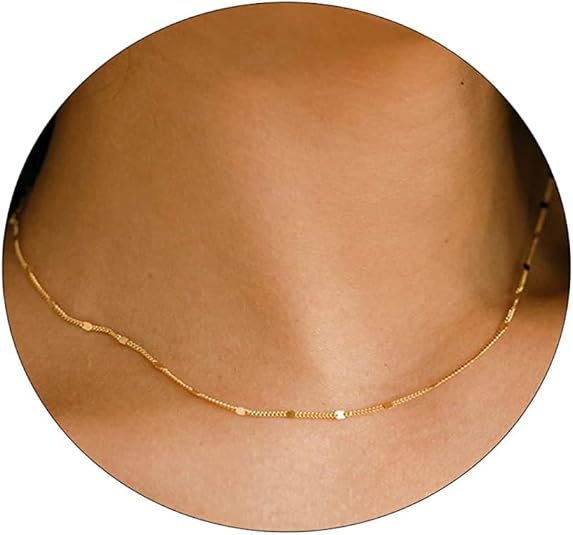
Necklace Samples: Define Closure Operation Scope
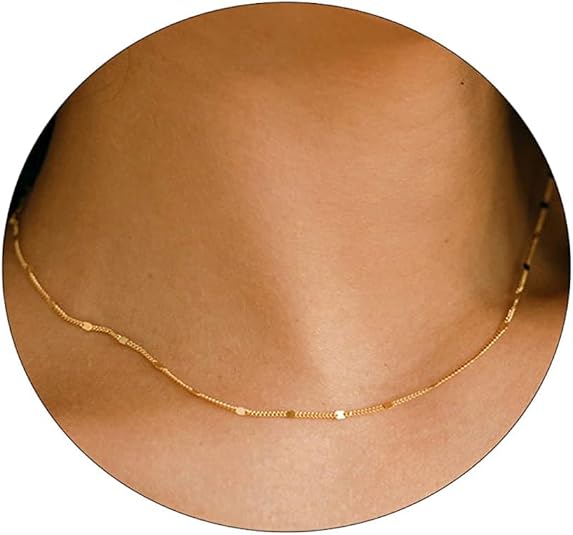
For a necklace closure sample review, request the exact model and clear evidence of the open and closed states, relevant reverse view and normal operation shown by the supplier. Record what was demonstrated and what remains unconfirmed. Front styling photos do not identify an unseen closure or establish its strength, service life or tested performance.
A necklace can be recognisable from the front while leaving its closure unseen. That creates a specific buying question: what evidence is needed to understand the offered closure operation? This is a sample demonstration task. It differs from defining a length endpoint or deciding how many necklaces form a commercial unit.
Identify the unseen feature without inventing it
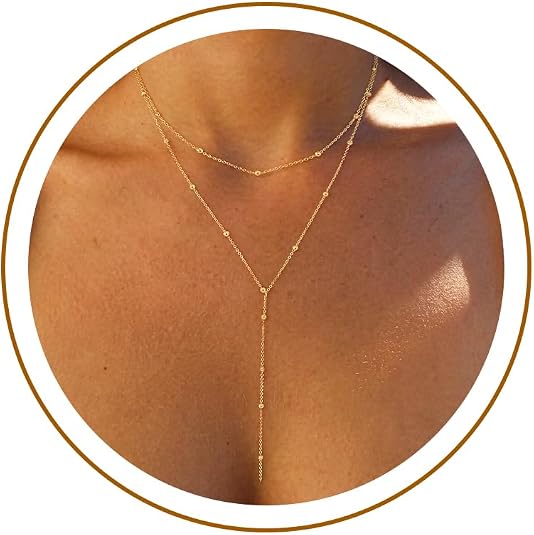
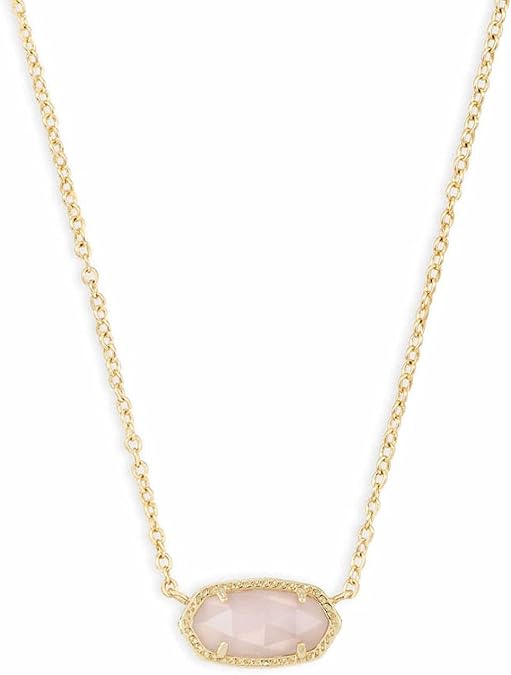
Use the exact selected model from the official necklace reference. The visible fine chain, layered styling and pendant views do not document the closure behind them. Ask the supplier to identify the closure actually offered for that version. Do not assign a clasp name, number of parts or adjustment mechanism from an unrelated model.
A catalogue front view can stay in the record as a product identifier. It should not become proof of the hidden hardware. If the supplier sends a closure example, request confirmation that it belongs to the selected necklace. A generic demonstration for another item may be useful background, but it cannot complete the exact-model sample record.
- Selected necklace and closure identity confirmed by supplier
- Open/closed states and relevant reverse evidence
- Supplier explanation versus buyer observation
- Limited decision and outstanding questions
Ask for distinct open, closed and reverse evidence
Request views that make the offered feature understandable: an identified open state, an identified closed state and the relevant reverse or attachment view where needed. These are requests for supplier evidence, not claims that the catalogue already contains them. Keep a pending entry beside each missing view instead of approving an unseen side by assumption.
The views should share the same model and sample identity. If a supplier demonstration is provided, ask that the item and relevant action remain identifiable. A sequence made from unrelated sample pictures does not establish one complete operation. Keep the front product reference separate from the actual closure evidence so the two cannot be confused later.
| Evidence | Question answered | Not established automatically |
|---|---|---|
| Front reference | Which necklace is being requested? | Unseen closure type |
| Open/closed views | What states were actually shown? | A quantified strength or life rating |
| Demonstration | Which normal operation was explained? | A laboratory test result |
| Sample decision | What was understood or remains pending? | Approval of substitute hardware |
Record observed operation without creating a test result
Ask the supplier to explain the normal operation for the offered sample and record what its demonstration actually shows. The purchasing record can say which states were visible and what explanation was received. It should not turn a brief demonstration into a life-cycle, pull-strength or protective-performance result that has never been supplied.
If the buyer reviews a physical sample, distinguish the buyer observation from the supplier description. Do not generalise one observation to every future item or another closure version. Any further performance requirement needs a separately defined evaluation and suitable evidence. This guide gives no forces, cycle counts or safety-test procedure and makes no guarantee about a particular closure.
Close the demonstration record with a clear decision
Use an outcome that reflects the evidence: operation understood for the identified sample, clarification still needed, or another sample requested. Name the unresolved state or view so the supplier can respond to a specific question. Avoid a generic approved stamp that could later be read as approval of composition, dimensions and every performance property.
Retain the record with the model, sample identity and demonstration reference. A proposed change to the closure should identify the affected version and reopen the relevant operation question. The earlier decision remains a history of what was actually reviewed. It cannot automatically approve a substitute hardware arrangement simply because the necklace still looks similar from the front.
Frequently Asked Questions
Can the front necklace image identify the clasp?
No. Ask the supplier for the exact model closure and the relevant views instead of guessing hidden hardware.
Does an operating demonstration prove durability?
No. Record the demonstrated scope. Life, strength and other performance properties require their own appropriate evidence.
Is this another length-measurement record?
No. It addresses opening and closing evidence for the selected sample, not the endpoints used for a dimensional statement.
Can another necklace closure serve as the final example?
Only a confirmed link to the selected model can make the evidence applicable. Keep unrelated examples separate.
Send the closure-evidence request through supplier contact. Keep the length-definition record as a separate document. The catalogue and blog help retain product context without replacing the requested operating evidence.